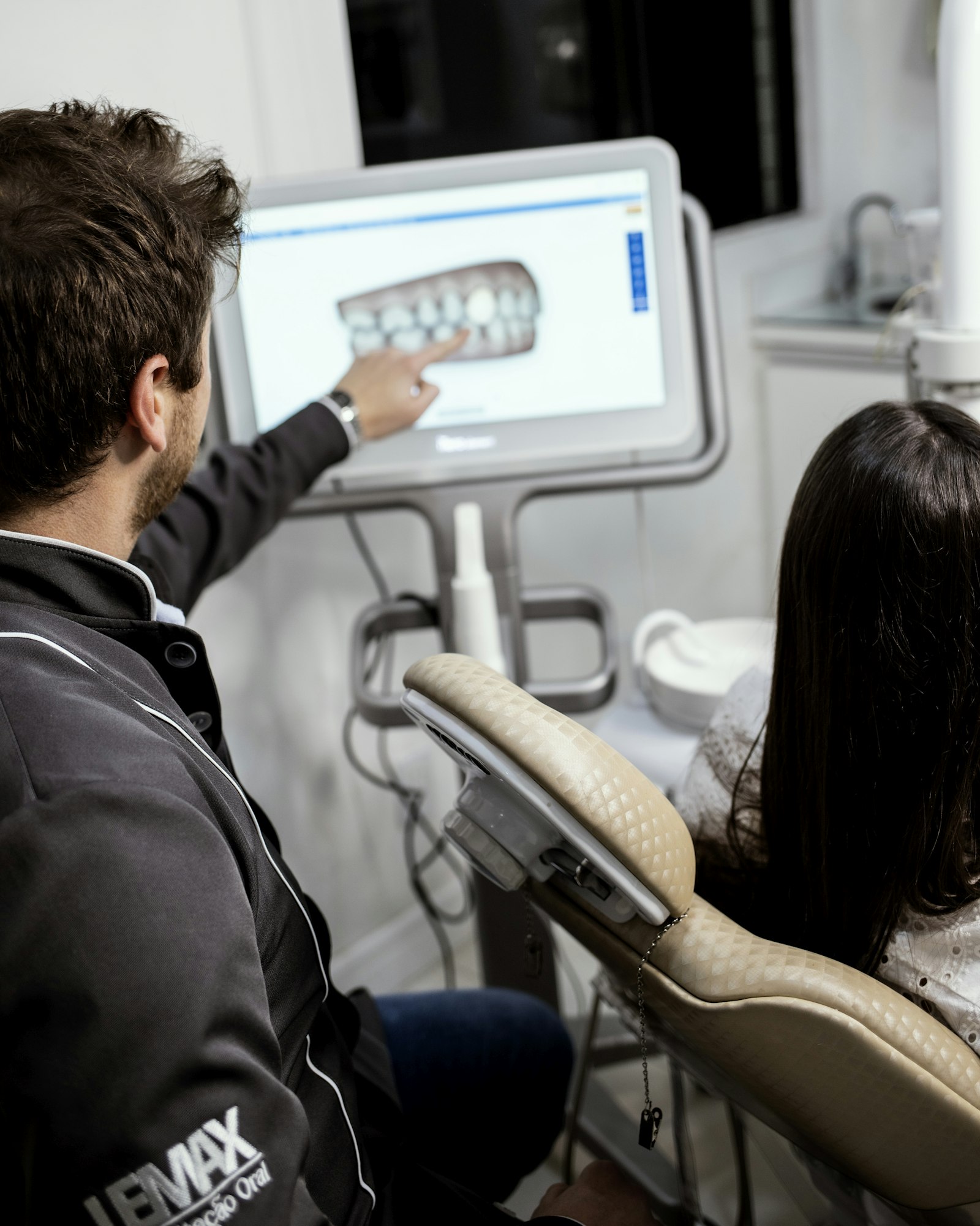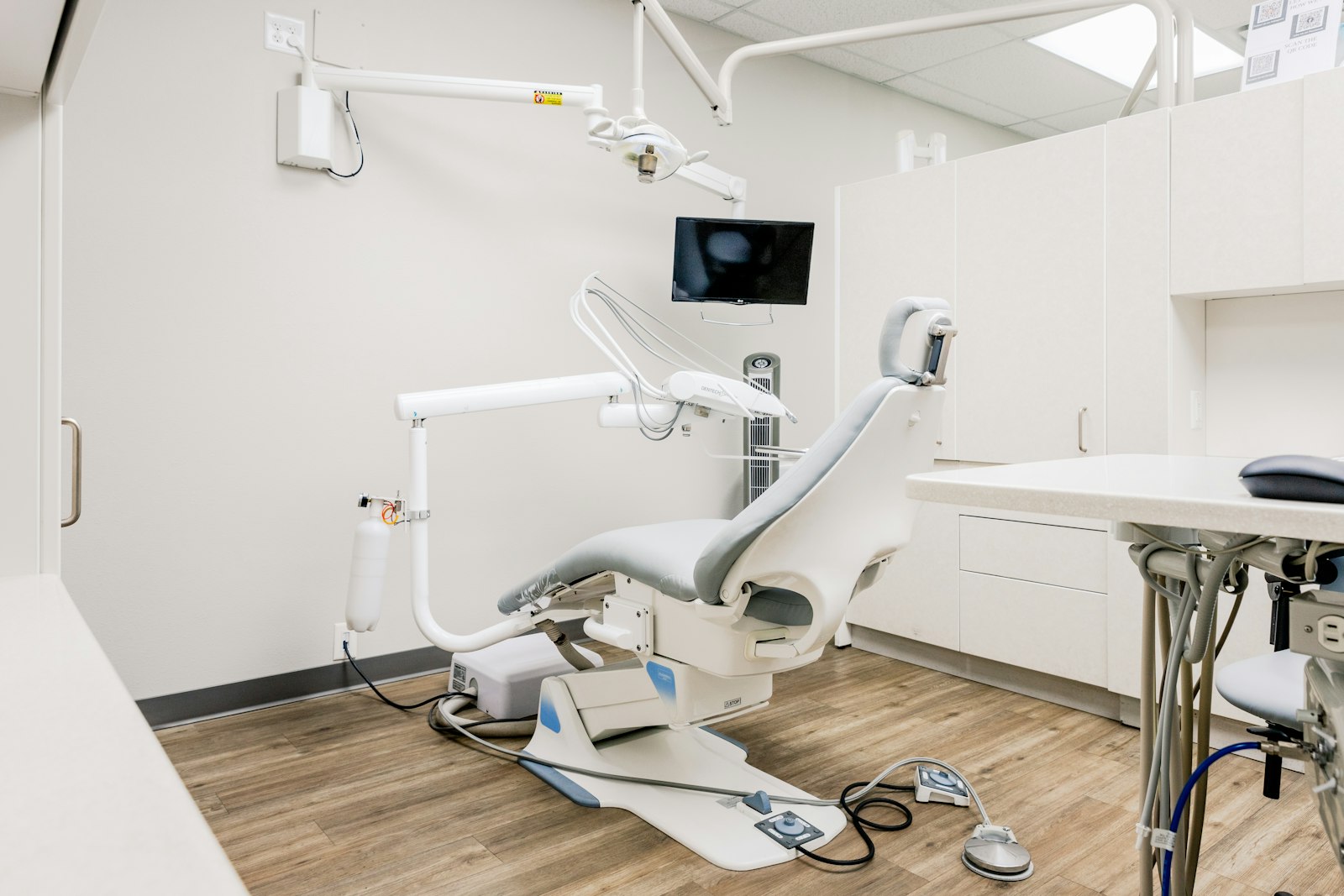
Ask most people what a dental receptionist does and they will say "books appointments". Ask anyone who has done the job and they will laugh. Here is a fairly typical day in a mixed NHS and private practice.
8.15 — Opening up
Before the first patient arrives the receptionist has checked the answerphone, printed the day lists, confirmed that the emergency slots are protected, and joined the morning huddle where the team runs through the day: which patients are anxious, which are new, which have outstanding balances.
9.00 — The first wave
Patients arrive, medical histories are updated, and the phone starts. A parent wants an emergency appointment for a child with toothache; a private patient wants to know why their crown costs more than their friend's; a hygienist appointment needs moving. Each call is a small negotiation between the patient's needs and the diary.
Midday — Money and paperwork
Payments, NHS exemption checks, FP17 forms, deposits for next week's implant consultation, and the reminder texts for tomorrow. This is where accuracy matters — a wrong exemption code or a missed deposit costs the practice real money.
Afternoon — The human bit
A nervous patient needs reassurance before a root canal. A patient's mother is upset about a missed appointment charge. A courier has the wrong delivery. The receptionist handles all three without letting the queue build.
5.30 — Closing down
End-of-day banking, tomorrow's lists, the recall report, and a note to the practice manager about the two patients who complained about the waiting time.
The skills that matter
Organisation, calm communication, discretion, resilience and comfort with software and money. None of these require a clinical background — but all of them get easier with structured training, which is exactly what our Dental Receptionist Foundation Course is built to provide.